Your website can get steady traffic and still sit there like an empty reception desk. The fix is usually not more ads, it is better website lead generation, which means turning more of those visits into calls, form fills, bookings, and quote requests.
How to Get More Leads from Your Website Without Spending More on Ads
If people are landing on your site but not contacting you, the problem is usually not a traffic problem. It is a conversion problem. Small changes to your pages, your message, and your contact path can help you convert website visitors into customers without paying for more clicks.
What Website Lead Generation Actually Means
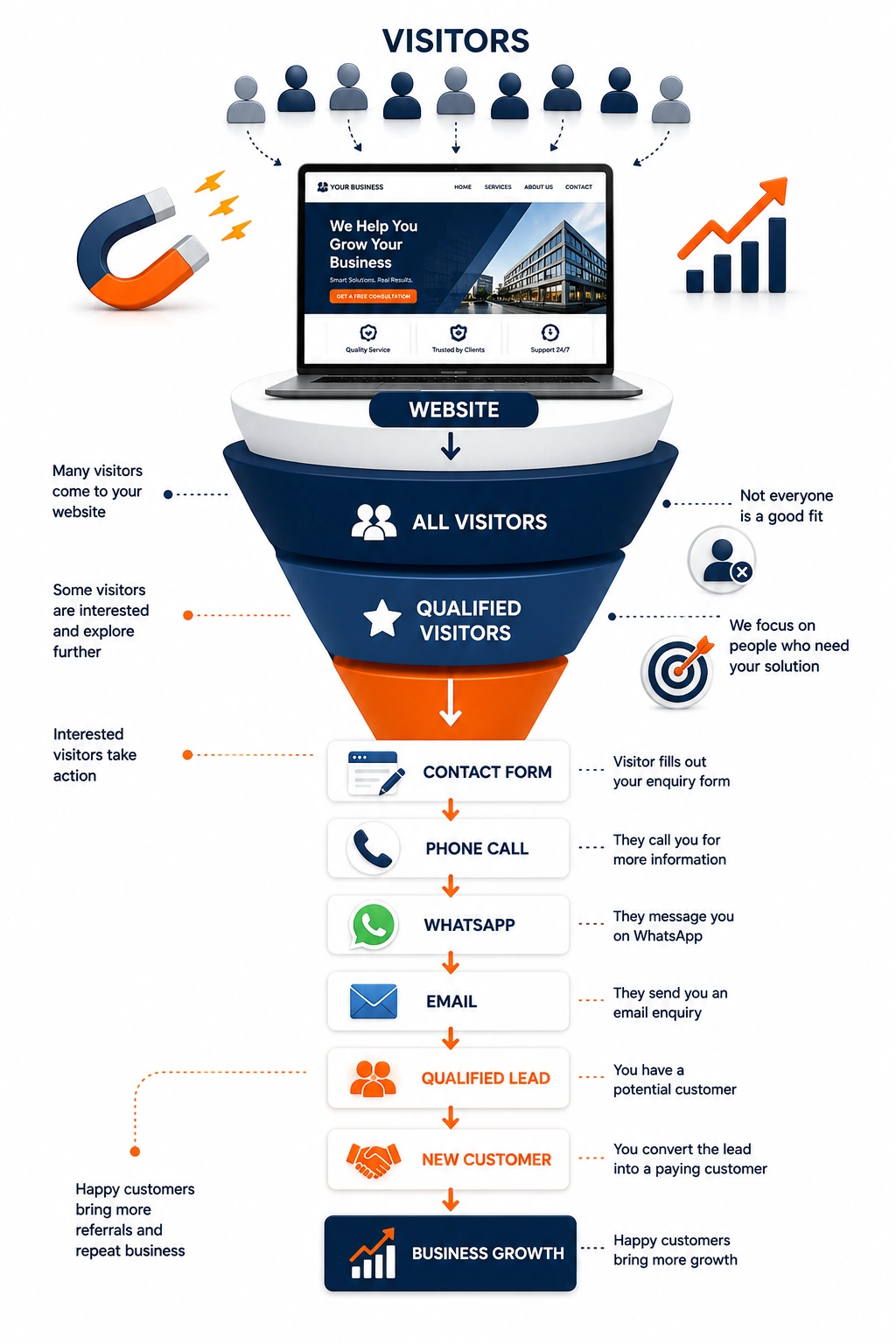
Website lead generation is the process of turning anonymous visitors into people who raise a hand. That hand might be a phone call, a booked consultation, a message, a quote request, or an email signup. A professional business website should do more than look polished, it should make that next step feel obvious and easy.
Think of your site like the front counter of a store. Foot traffic matters, but if nobody knows where to go, what to ask for, or whether anyone is available, most people keep walking.
A website with 500 visitors and a 5% conversion rate
outperforms another with 5,000 visitors and only a
0.5% conversion rate.
Traffic vs. Leads vs. Customers
Traffic is just someone arriving. A lead is someone taking action. A customer is someone who buys after that.
That difference matters because a busy site can still underperform. A local clinic might get hundreds of visits from search, but if the booking button is buried and the form feels long, those visits never turn into appointments. Same with schools, real estate firms, consultants, or manufacturers, more visits do not automatically mean more business.
Why “More Visitors” Is Not the Same as “More Business”
SEO, ads, and social posts only help if your page does something with the traffic. If 1,000 people visit and nobody enquires, the traffic is a bill, not an asset.
That is why website conversion optimization often gives you a faster payoff than pouring more money into ads. You are improving the part of the system that already gets attention. In practice, that is usually the quickest way to increase enquiries from website traffic you already have.
Why Your Website Gets Traffic but No Leads
Most underperforming sites have a few leak points. The visitor lands, scans for a second or two, and leaves because the offer is fuzzy, the next step is awkward, or the site simply does not feel trustworthy enough.

Your Offer Is Hard to Spot
If your headline says something vague like “Solutions for Growth,” you are making people work too hard. Visitors want a fast answer: what you do, who it is for, and what to do next.
A homepage should not read like a puzzle. If you run a website for service business clients, your main service and your next step should be visible within seconds, not hidden halfway down the page. Clear beats clever every time.
Visitors Have to Work Too Hard
Every extra click adds friction. So does a six-field form, a menu that hides contact details, or a page that takes forever to load on a phone.
It is a lot like making someone hunt for the front door. If you want to increase website enquiries, make the path obvious: visible phone number, clear booking link, short form, and no guessing games.
Trust Signals Are Missing
People hesitate when a site feels anonymous. Reviews, testimonials, certifications, team photos, case studies, and a real address all help make the page feel safe enough to use.
A hospital, school, clinic, or local contractor does not need flashy copy. It needs proof. A few strong testimonials near the contact form often do more than a long paragraph of marketing fluff, because trust tends to be the last thing standing between interest and action.
Fix the Core Conversion Pieces on Your Website
You do not need a full redesign to get more website leads. Start with the parts that shape the decision: the message, the call to action, the form, and the proof around it.
Make Your Main Message Clear on Every Key Page
Your homepage and service pages should answer three questions fast: what do you do, who do you help, and why should someone contact you now? Plain language wins here.
Skip the inside jokes and brand poetry. “Commercial cleaning for offices in Austin” will beat “clean environments for modern teams” almost every time, because people can actually tell what it means. That clarity is a big part of business website tips that work in the real world.
Add One Strong Call to Action per Page
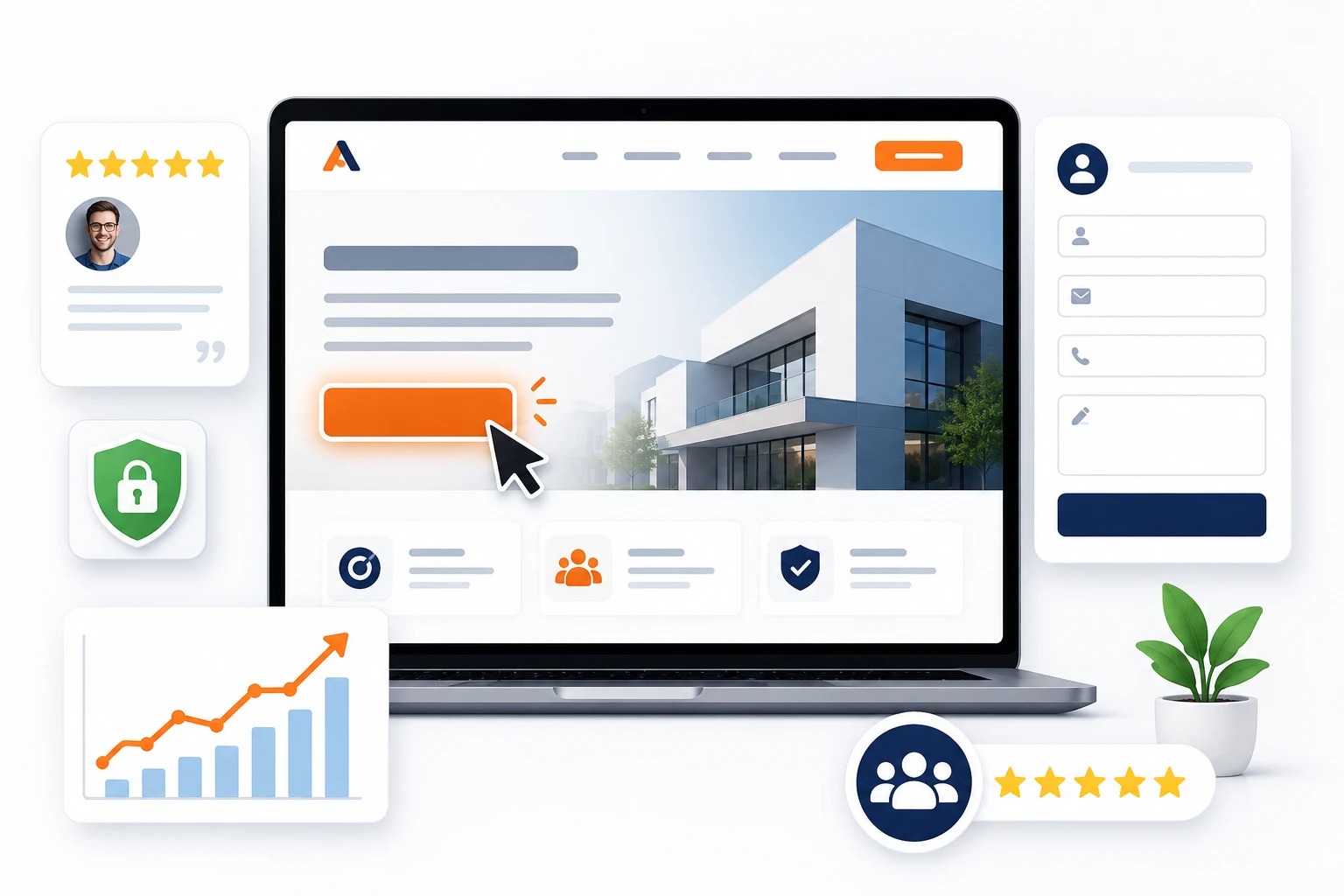
Too many buttons create decision fatigue. One strong call to action is usually enough.
Use the action that fits the business: “Book a Call,” “Request a Quote,” “Schedule a Visit,” or “Get a Callback.” A clinic might use booking, a manufacturer might need a quote, and an agency might do better with a consultation request. The button should match the decision people are ready to make.
Simplify Forms and Contact Paths
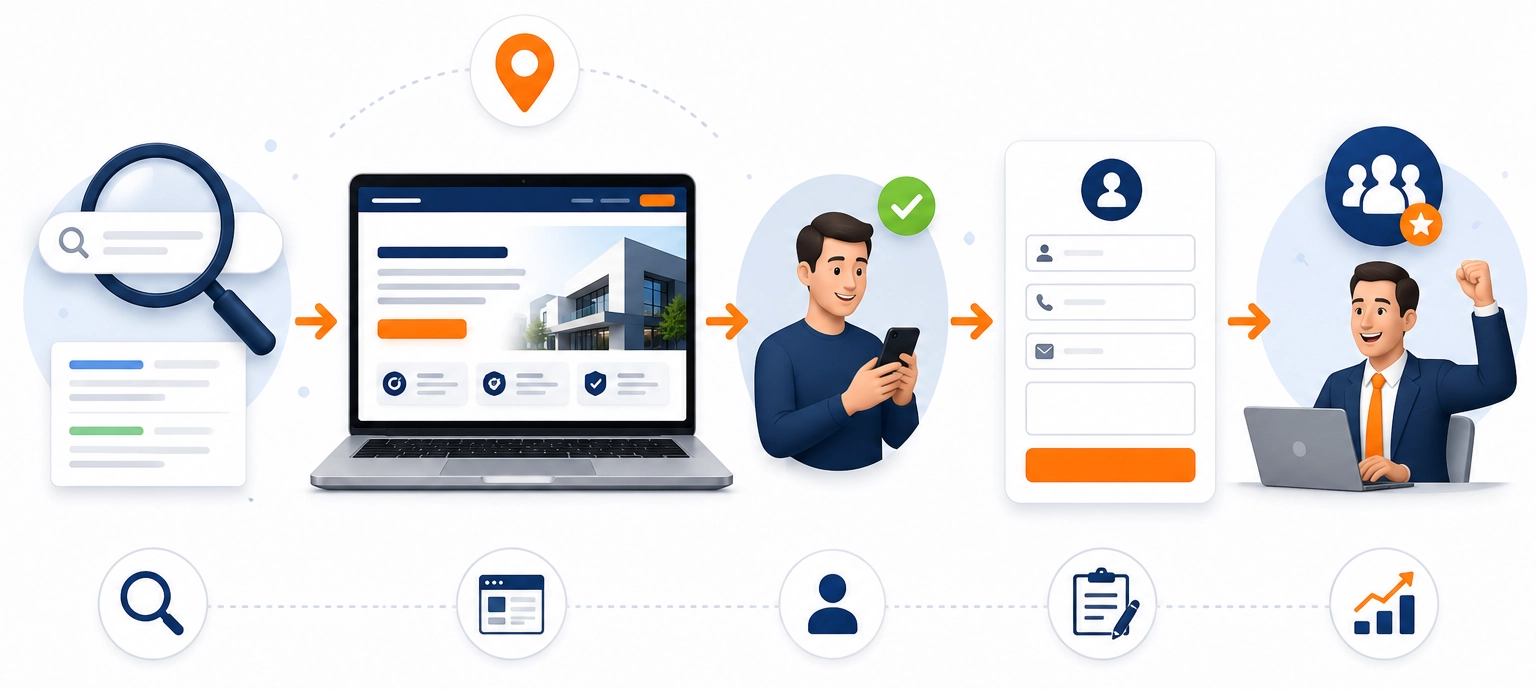
Short forms usually win. Ask only for what you need to respond well, not every detail you could possibly want.
The same rule applies to contact options. Put phone numbers where people expect them, make click-to-call easy on mobile, and offer booking where it fits. A few missing fields on a form can reduce responses more than most people realize, which is why this is one of the fastest ways to improve website conversion rate.
Use Trust Builders Where Decisions Happen
Place testimonials, ratings, guarantees, staff photos, and quick proof near the moment of action. Not halfway down some forgotten page.
That means near the quote form, next to the booking button, and under the main service pitch. If you sell something considered, like legal services, education, healthcare, or real estate, visitors want reassurance right before they act. Give it to them right there, not after a lot of scrolling.
Build Pages That Match How People Search
SEO for business websites works best when the page matches the search intent. People searching for a service page are usually already close to contacting someone, so the page should feel built for that moment.
Create Service Pages for Specific Problems
One generic services page rarely does the job. Separate pages for specific services, locations, or specialties usually perform better because they speak directly to what people want.
A page for “web design for dentists” or “commercial cleaning in Dallas” gives searchers confidence that you understand their situation. The same is true for “school admissions support” or “website for service business” queries. Specific pages make it easier to generate more enquiries from people who are already looking for exactly what you offer.
Use Local SEO and Your Google Business Profile
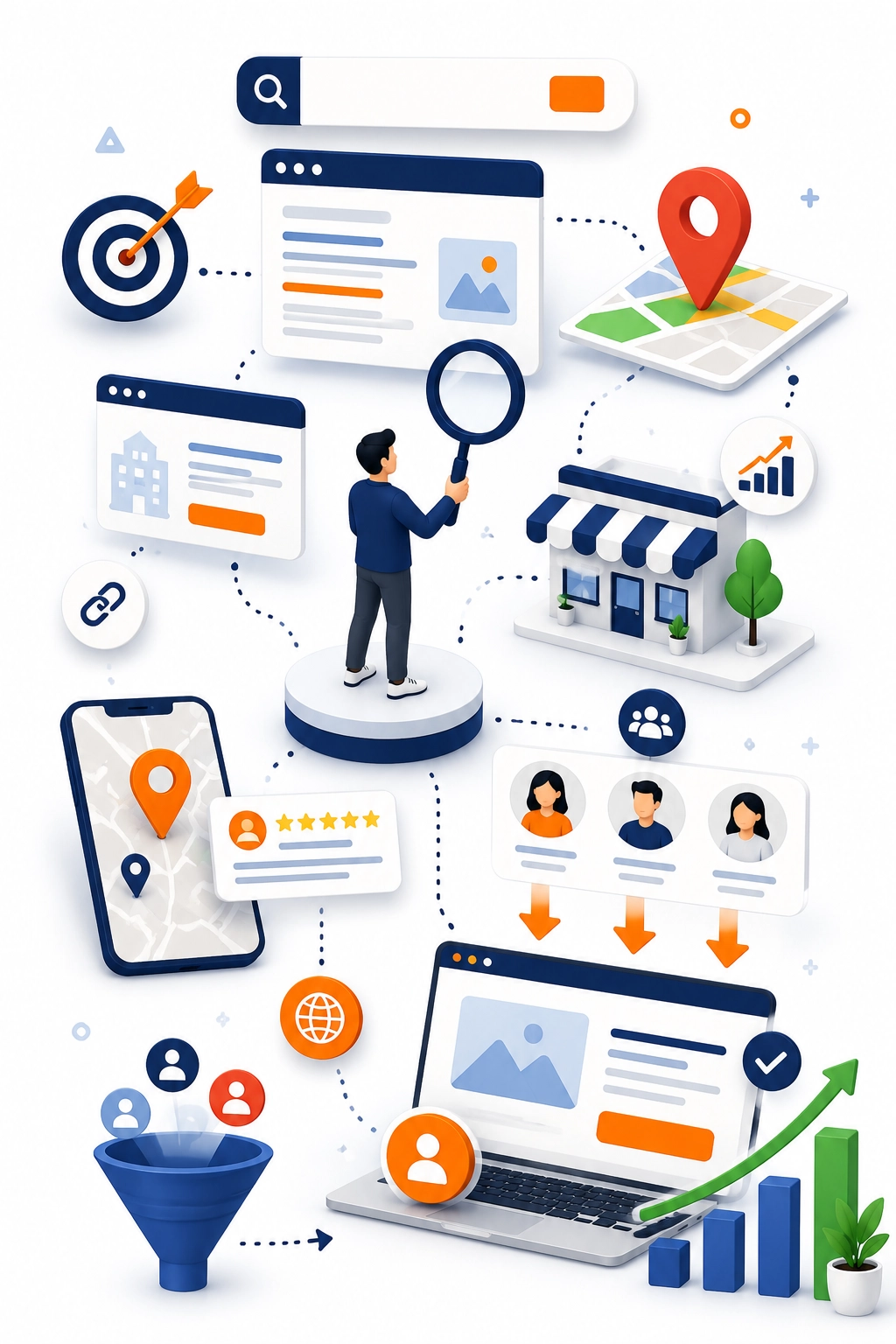
Local leads are often the easiest wins. Your Google Business Profile, reviews, map visibility, service area pages, and location details all help nearby customers find and contact you.
If you run a clinic, studio, office, or local shop, this matters even more. A strong profile with updated hours, fresh photos, and consistent contact details can send people straight to your booking page or phone line. It is one of the simplest ways to increase website enquiries from nearby searches.
Match Page Content to the Question Behind the Search
Someone searching “roof repair quote” wants a very different page from someone searching “how roof repair works.” One wants action, the other wants information.
If your page matches the wrong intent, people bounce. If it matches the question behind the search, you get a warmer visit and a better chance to convert website visitors into customers. That is the quiet advantage of good SEO, it brings in people who are already leaning your way.
Add Lead Magnets and Follow-Up Paths That Keep the Conversation Going
Not every visitor is ready to buy right away. Some need a little nudge, a useful next step that feels lower-risk than a direct call.
Offer Something Small and Useful
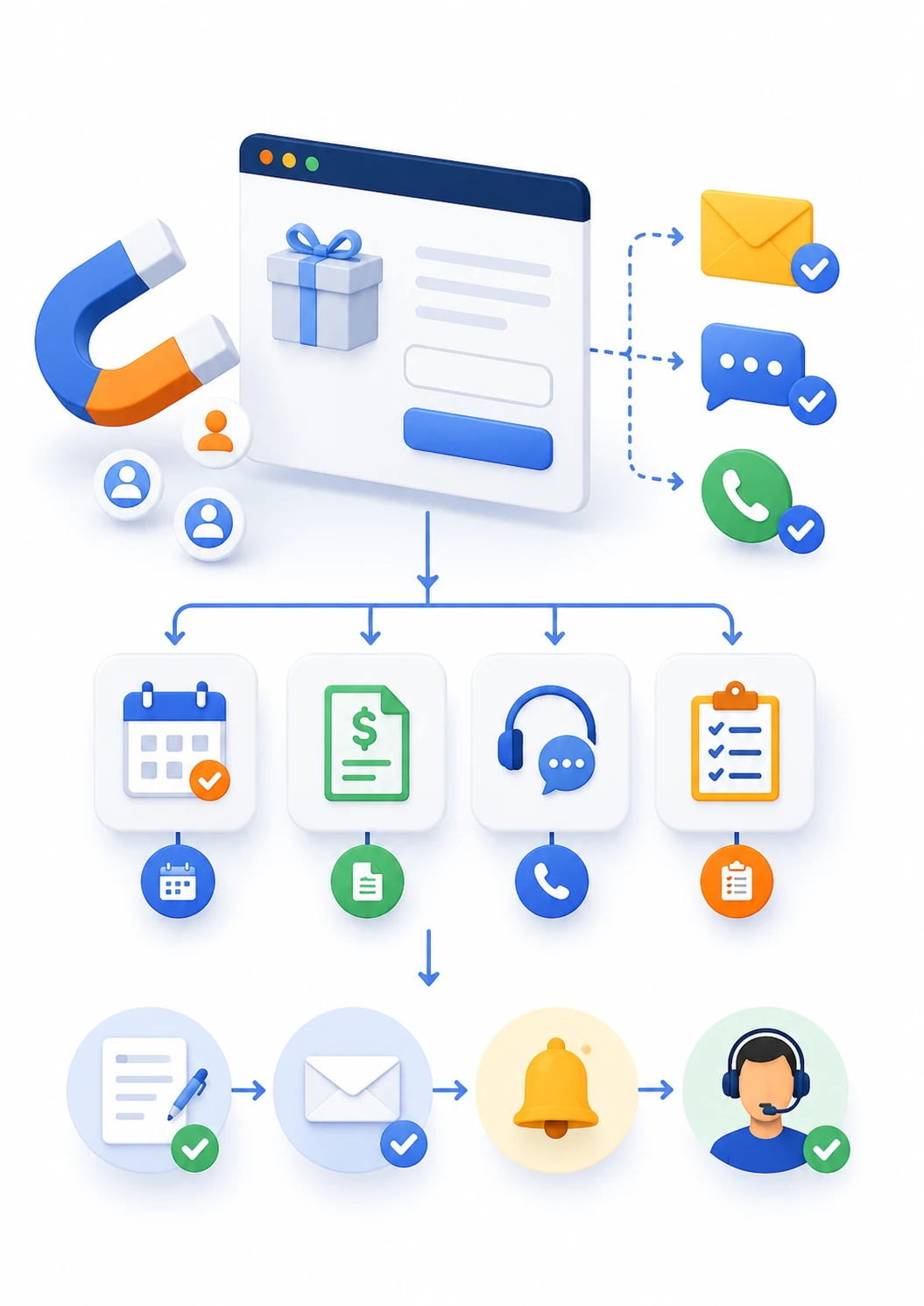
A lead magnet does not need to be fancy. A checklist, price guide, mini audit, sample menu, admissions guide, or appointment reminder can be enough.
The trick is simple: exchange something useful for contact details. For a consultant, that might be a pricing guide. For a school, it might be an admissions checklist. For a clinic, it could be a short prep sheet before a visit. Keep it practical, and people are much more willing to engage.
Use Booking, Callback, and Quote Options
Different businesses need different paths to conversion. Clinics often work best with bookings. Manufacturers may need quote requests. Agencies, consultants, and startups often do better with consultation forms or callback requests.
If you give people the wrong path, they stall. The right path feels like the obvious next move, which is exactly what good website lead generation should do.
Follow Up Fast
A slow reply can kill a lead before a conversation even starts. Once someone fills out a form, that moment is hot. Miss it, and the interest cools fast.
An instant confirmation email helps. SMS alerts help too. Same-day follow-up is even better. A lot of leads are lost after the form submission, not before it, which is why response speed belongs in any serious website conversion optimization plan.
Common Website Mistakes That Quietly Kill Leads
Some problems look small but hit hard. A site can still look fine and quietly underperform because of a few basic misses.
Slow Pages and Poor Mobile Experience
If a page drags on mobile, people leave. Many visitors decide within a few taps whether to stay, especially when they are searching from a car, a waiting room, or between appointments.
That matters for local search in particular. A slow, clunky mobile site is one of the fastest ways to lose enquiries you already earned.
Too Much Jargon, Too Little Clarity
Industry language sounds smart to people inside the business, but it can confuse everyone else. Visitors usually want a plain answer, not a brand manifesto.
Short paragraphs, simple words, and one clear next step work better than long explanations. Clear writing is not just nicer to read, it is a real business website tip that helps people act.
No Proof, No Personality, No Reason to Trust You
A generic site blends into the background. Real photos, staff names, client examples, and specific outcomes make you feel human.
If every image looks stock and every sentence sounds copied, visitors notice. A professional business website should feel like a real place with real people behind it.
Outdated Pages and Broken Basics
Old phone numbers, expired promotions, broken links, and thin service pages all chip away at trust. So does neglected website maintenance.
People may not consciously notice every problem, but they feel the result: hesitation. And hesitation is where leads go to die.
A Simple Website Lead Generation Checklist
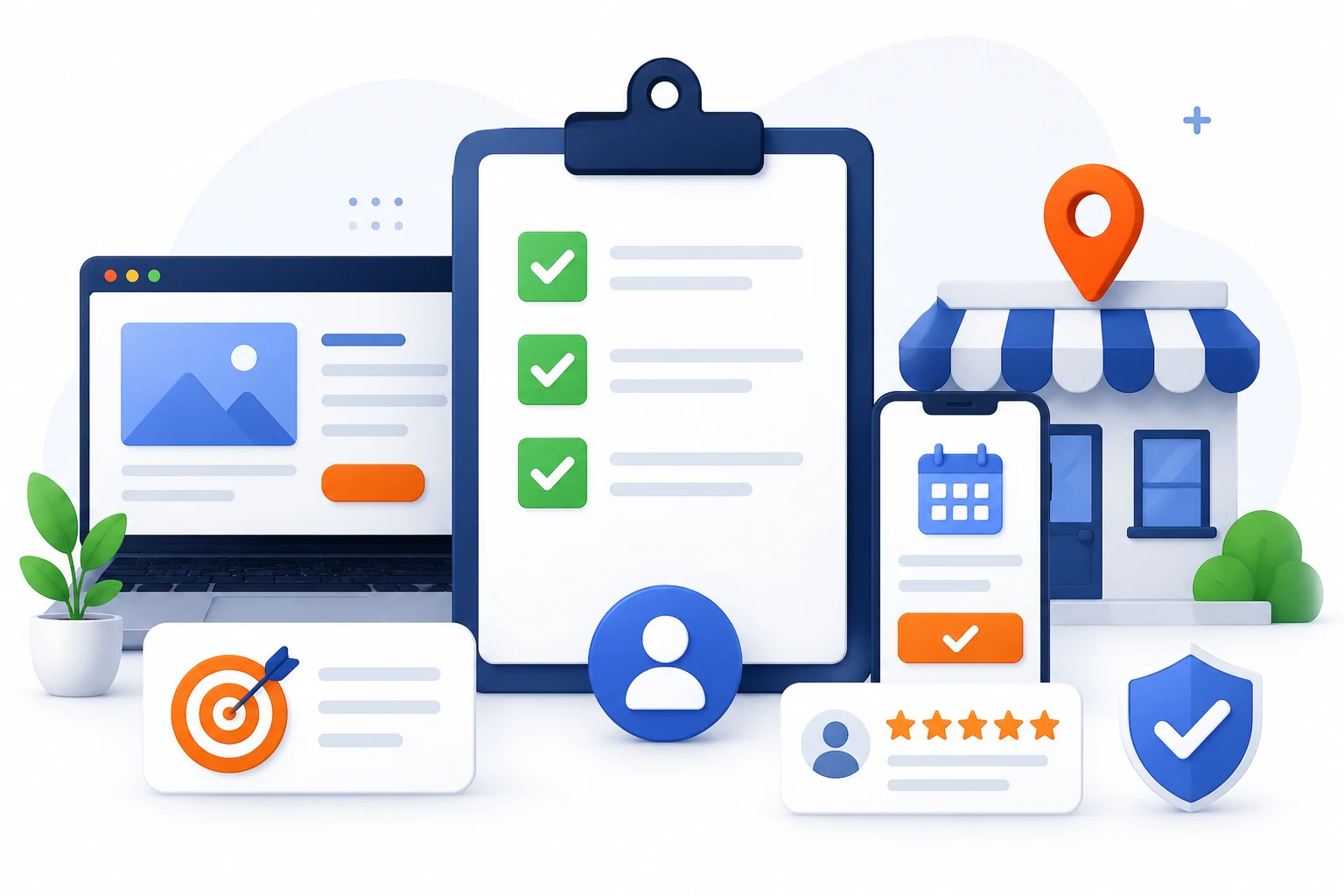
Walk through your site like a first-time visitor who is in a hurry. If something feels slow, unclear, or hard to trust, fix that first.
-
Homepage
Your value proposition should be obvious above the fold. The main call to action should stand out. A few trust signals near the top help a lot.
-
Service Pages
Each page should focus on one service, one audience, and one action. Add common questions, useful detail, and a direct enquiry path.
-
Contact and Booking Pages
Keep forms short. Make phone numbers visible. Make booking simple on mobile, because that is where a lot of local traffic lands.
-
Local and Trust Elements
Your Google Business Profile, reviews, address, service area, and photos should all support the same story. Consistency builds confidence fast.
What to Try First This Week
Start with the easiest fix you can see in under two minutes. Tighten the homepage headline, shorten the form, or replace a vague button with a direct call to action.
That one change often creates a visible lift because it removes friction right where people hesitate. Once you understand that, getting more website leads stops feeling mysterious, and starts looking like a series of small, practical improvements you can actually make.